


Updated 7 November 2026
If you have a poem you’d like to try on a microphone, KAVE’s Sunday Open Mic Mashup lists its 15 November edition at Alserkal Avenue and welcomes spoken-word acts. Its signup menu still shows earlier dates, so contact KAVE directly about a November slot. The event runs 4–7 pm, so it’s an afternoon start that carries into the early evening. Host Aldrin Silva brings spoken word into a bill that also makes room for music and comedy. If you’d rather hear an established performer, Piyush Mishra is billed for poetry, song and storytelling at SAMAA on Saturday 5 December. If you’re looking for an entire programme of poetry in one language, choose a listing that gives the language and names the poets or the reading itself. KAVE’s 15 November listing
| Your plan | What to look for |
|---|---|
| Read your own work | An event that accepts spoken word and has a performer application |
| Hear poetry within a named festival bill | Saturday at SAMAA for Piyush Mishra. Check his slot and the performance language |
| Hear several poets in one language | A named poetry reading or mushaira with the language and programme listed |
| Go with friends who want a mix of acts | A mixed mic with separate audience access and an evening window |
| Listen in a language you’re learning | A programme that says how introductions or translations will work |
KAVE · Apply for the Sunday Open Mic Mashup
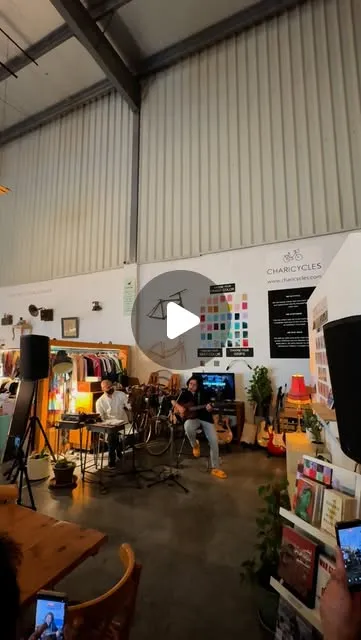
The venue is KAVE, Warehouse 20, Alserkal Avenue, Al Quoz. Its Sunday 15 November, 4–7 pm listing invites spoken-word artists, musicians, singers and comedians. That means you may hear a poem between a guitar set and a comic’s turn. If you like the change of pace that comes with an unrehearsed bill, this is a good format to look for. If you’re going solely to hear poetry, ask whether there are spoken-word acts on the running order before making a trip. The date gives you the event window. It leaves individual set times open. KAVE’s event listing · Alserkal’s KAVE venue details
Ask for the November date directly
KAVE’s event page links to a performer form, but the date menu only offered dates through 18 October when checked. For the 15 November listing, ask KAVE at hello@thestoryofthings.com or +971 55 102 4469 whether spoken-word slots are open and how it wants you to apply. Give the exact event date in your enquiry and wait for the host to confirm a slot before inviting friends to see you read. The venue describes the series as every other Sunday. Check the dated listings before assuming a later edition follows that pattern. KAVE performer form · KAVE contact details
The form gives a useful idea of what the host needs. It asks about your act, equipment and any public handle the team can tag. Say whether you’re bringing one poem or a short set, how long it takes, and which language you’ll use. If you plan to give a translation or play a backing track, include that in your estimate. Ask when the host needs you at the venue and whether there’s time for a sound check. KAVE’s performer information
Confirm audience access separately
KAVE’s dated listing gives the event window and the performer route. For spectators, ask directly about reservations, any cover or minimum spend and whether the room takes arrivals after the first act. If you’re meeting someone coming after work, agree to meet at Warehouse 20 and find out whether they can join between acts. A 6 pm arrival leaves up to an hour of the listed window. If you’re coming specifically to hear a friend, ask for their confirmed slot before relying on that last hour. KAVE’s 15 November listing · KAVE contact details
Alserkal Avenue identifies Onpassive as the closest Metro station, with the 110 bus or a short taxi ride onward. If you are driving, the Avenue directs visitors to the parking area off 6A Street, with nearby RTA parking under code 364C where signed. Use the warehouse number in your plan, especially if a performer needs to be there for check-in. KAVE’s Instagram post shows an earlier edition of the same series. Use the dated event page for the November window. Alserkal directions and parking · KAVE’s earlier open-mic post
SAMAA · Hear Piyush Mishra on the Saturday bill
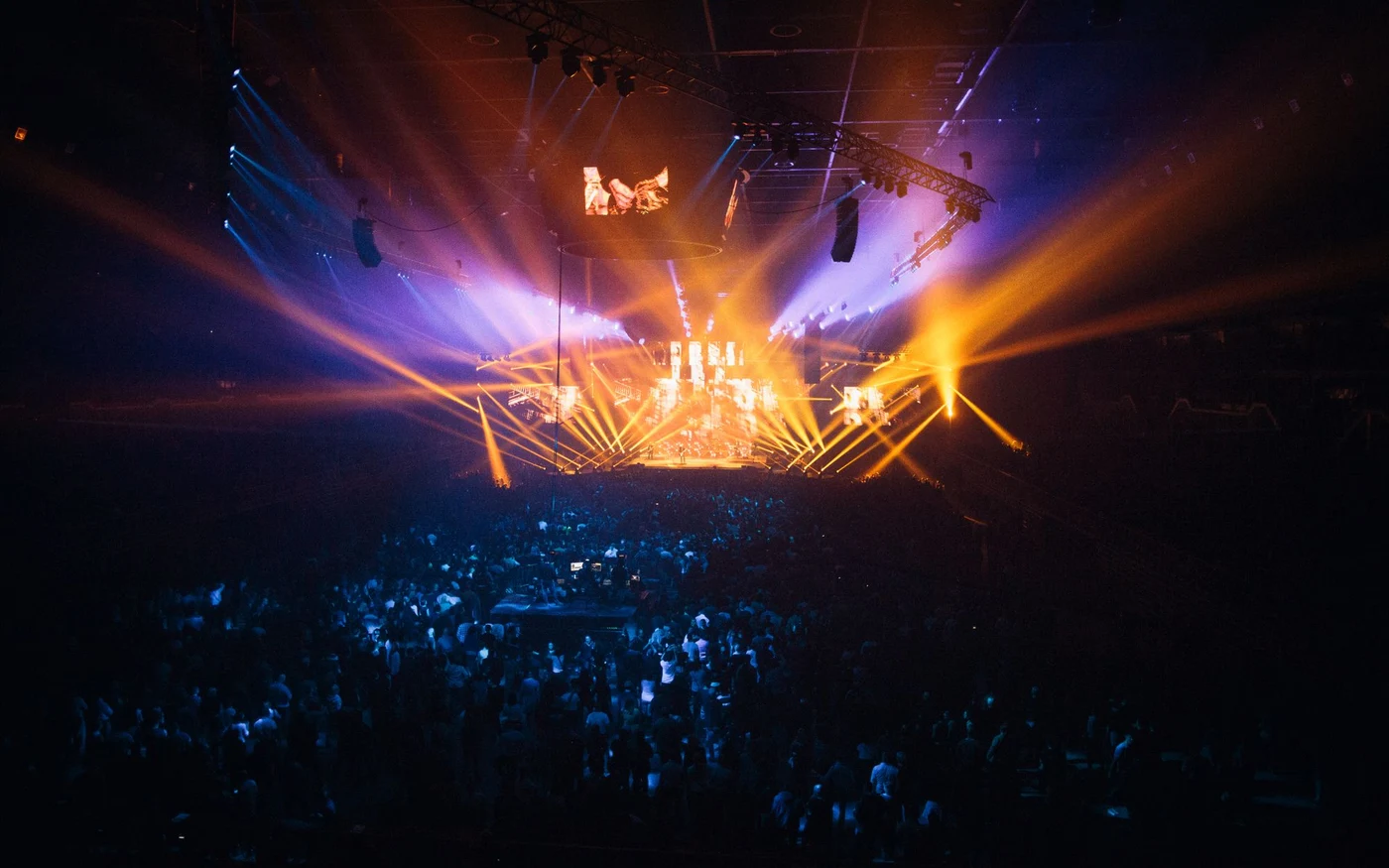
Choose Saturday 5 December at Zabeel Park Amphitheatre if you’d rather hear poetry as part of a programmed evening. SAMAA bills Piyush Mishra across poetry, song and storytelling, alongside Salman Ali on the same date. The festival describes a wider programme that draws on Hindi and Urdu poetry. The seller does not specify the language of every part of Mishra’s set or whether translations are provided. Ask about those details if you’re bringing someone who wants to follow the words. The festival’s Instagram announcement is for Salman Ali, the other named Saturday performer. Use the ticket listing for Mishra’s billing. SAMAA Saturday programme and tickets · SAMAA’s Saturday announcement

Gates open at 3 pm, the first performance is at 4 pm, and the seller lists an approximate 10:30 pm finish. Mishra’s individual slot is still unconfirmed. If you want to catch his set and sit with friends, choose the same zone and arrive early enough to find seats together. Places within each zone are first come, first served. Admission starts at AED 50, or AED 100 for two at the listed floor. Park entry costs are separate. The listing directs visitors to Gates 1, 2 or 3, so use the latest ticket directions and leave time to walk to the amphitheatre. SAMAA timetable, seating and park access
The checked Saturday selector showed Bahaar at AED 50 for the amphitheatre steps and Mehfil Gold at AED 100 for the main bowl. Two paid tickets at those rates would be AED 100 or AED 200, before separate park costs. When the words are the main draw, ask about the view and access from your zone before paying. If you’re taking someone who needs to avoid steps, ask the festival which entrance and seating area suit them. The festival allows re-entry with a valid wristband, but a zone ticket gives first-come seating within that zone. Ask before leaving if you want to keep adjacent places. SAMAA live selector · SAMAA ticket and access terms
The festival accepts all ages and lists free admission for children under eight with a ticket-holding adult. Under-18s must attend with an adult. For a family with limited time in the evening, the artist’s day and the performer’s actual slot answer different questions. If you only want Mishra’s set and need to leave early, check the Saturday running order before buying. If the wider mix of verse, song and conversation also appeals, arrive near gates and allow time to get from the park entry to the amphitheatre. SAMAA family and timing information
Pick the kind of poetry night you want
A mixed open mic can be a good first stage because the audience has come to hear different things. The room might go from a loud musical set to a voice delivering a quiet opening line. If you’re performing, a short introduction can help the room shift its attention. If you’re listening, give each act a moment to establish its pace. A verse that starts softly may be doing something deliberate with silence.
A curated reading usually gives you a firmer idea of whose work you’ll hear. If one poet draws you in, check whether they’re reading, discussing their work or moderating someone else’s conversation. Those are different experiences. A reading can bring a poem’s rhythm into focus. A discussion gives you more of the circumstances in which it was written. A festival listing may offer both in different sessions, so read the individual event description before choosing a ticket.
A mushaira is an Urdu poetry gathering where poets recite for a live audience. Ghazal singing uses verse in a musical performance. Both may appear in a single cultural evening, with each getting its own time. Check whether the part you want comes before or after the interval, and whether the presenter offers English introductions or translations. In a recitation, the timing of the lines and the audience’s response are part of what you’ve come to hear. In a sung set, the phrasing and melody give the verse a different shape. Rekhta’s description of Urdu performance forms
A slam adds a competitive structure. The title alone tells you little about who can enter or how judging works. If you want to compete, look for an entrant call, the time limit and any rules about original material. If you want to watch, check the audience ticket and whether there are several rounds.
Make your first slot easy to host
Read your piece out loud with a timer before applying. Count the introduction, pauses and any line you’ll repeat. Have a short version ready if the host gives you less time. A complete poem with a clear ending is easier to follow than two pieces you have to rush through. If you’re reading from your phone, save the text where you can get to it in a few taps and keep the screen awake. Paper works well if you can turn the pages without losing your place.
Tell the host if a track needs to start at a certain word, or if you prefer to work without one. It’s easier to give that instruction at check-in than while the audience waits. If the venue asks about filming, decide before your slot whether you’re comfortable with a recording being shared. You may want a clip of a finished piece and more privacy for work you’re still testing.
For a multilingual room, you can introduce a piece in one sentence before reading it in the language you wrote it in. If the host has given you room for both versions, consider reading the original all the way through before the translation. That lets each version keep its own cadence. A word-for-word explanation between lines can work in a workshop. On stage it can make a short poem harder to follow.
What to confirm if you’re there to listen
Before you set out, check who’s performing, which language they’ll use and how audience entry works. At a mixed mic, the host may confirm which genres are represented without being able to promise a final order. At a poetry-led evening, you can usually make a better choice from the advertised readers or the title of the session. For a bilingual event, check whether the translations cover the poems or only the introductions. Take your cues from the host on when to respond and wait for a break between acts to settle in.

Comments (0)
No comments yet. Be the first!